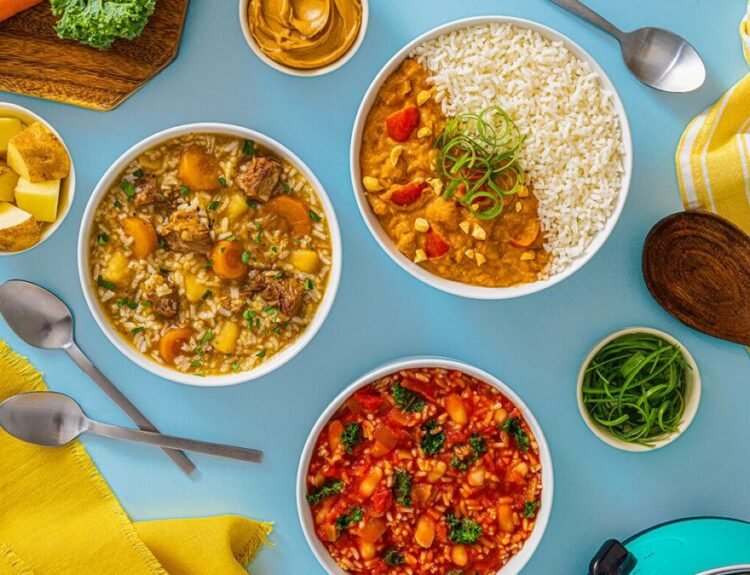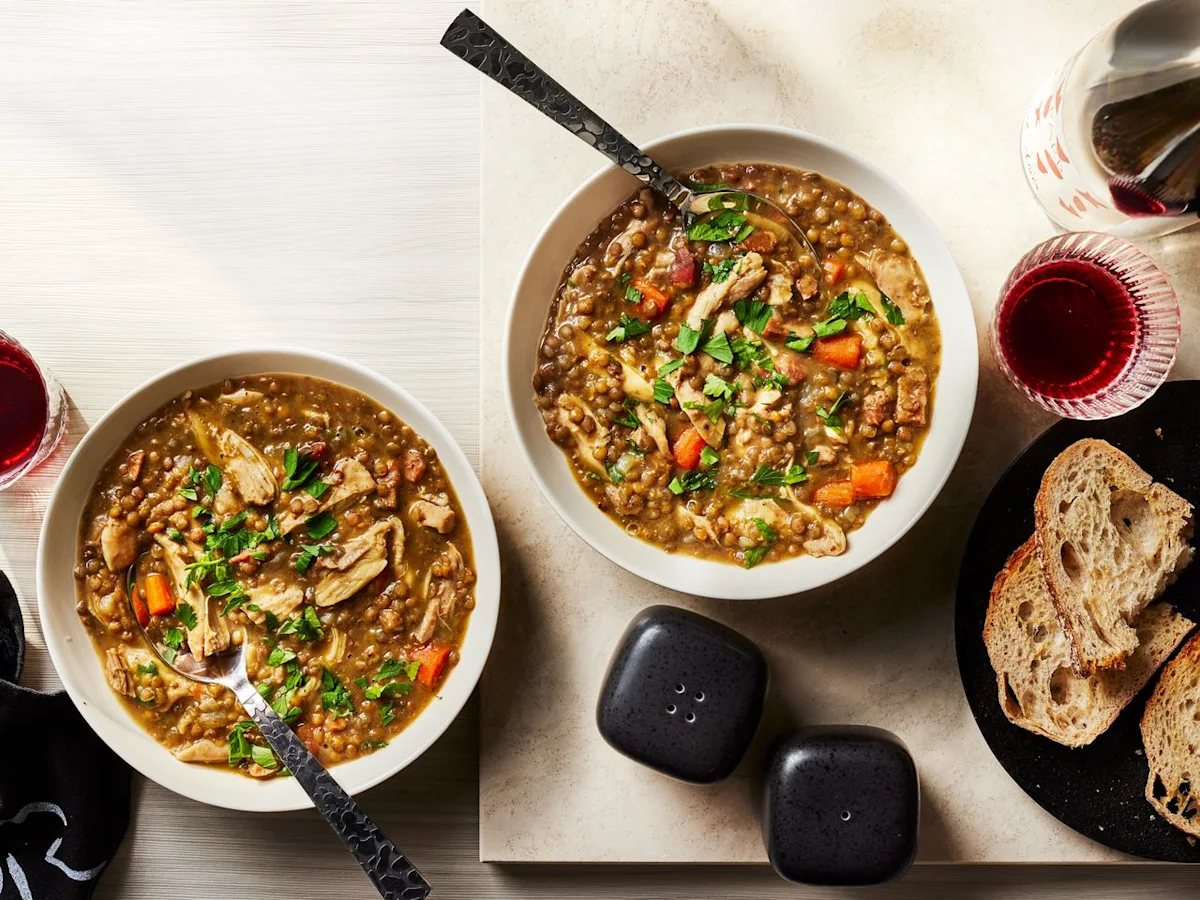
Stews are one of the most comforting meals you can make at home. They bring simple ingredients together in one warm dish. A typical pot may include meat, vegetables, beans, herbs, and a rich cooking liquid. Slow cooking helps these ingredients become soft and full of flavor. Stews are also flexible, so you can change them based on your taste. You can make a meat-based dish, a vegetable version, or a hearty bean recipe. They are useful for family dinners, cold evenings, and meal preparation. Many people also enjoy stews because leftovers often taste even better the next day. The flavors have more time to blend together. This guide explains how to make a great stew, which ingredients work best, and how to avoid common cooking mistakes.
What Are Stews?
Stews are slow-cooked dishes made by simmering ingredients in liquid. Unlike many soups, they usually have a thicker texture and heartier ingredients. Meat is often cut into small pieces before cooking. Vegetables are also added to create more flavor and texture. Common choices include potatoes, carrots, onions, tomatoes, and celery. Beans and lentils can provide extra protein and fiber. The cooking liquid may contain stock, water, tomato sauce, or other flavorful ingredients. Gentle cooking allows tougher ingredients to become tender over time. Stews can be prepared on a stove, in an oven, or with a slow cooker. The method may change, but the goal remains similar. You want tender ingredients, balanced seasoning, and a rich final taste.
Why Stews Are So Popular
Stews have remained popular because they are practical and satisfying. You can prepare a large pot without using many expensive ingredients. Tough cuts of meat can become tender through slow cooking. Root vegetables also hold their shape well during longer cooking times. Another benefit is that one pot can provide a complete meal. You can combine protein, vegetables, and carbohydrates in one recipe. Stews are also easy to customize for different diets. You can reduce the meat and add more vegetables. You can also replace meat with beans, lentils, or mushrooms. Many families have their own favorite versions. The recipes may change from one region to another. Yet the basic idea stays simple. Cook wholesome ingredients slowly until they become tender, flavorful, and comforting.
Common Ingredients Used in Stews
Good stews start with ingredients that can handle longer cooking times. Beef, chicken, lamb, and pork are popular meat choices. Vegetarians can use mushrooms, beans, lentils, chickpeas, or tofu instead. Vegetables bring natural sweetness and color to the dish. Potatoes can make the meal more filling. Carrots add sweetness and a soft texture. Onions and garlic create a strong flavor base. Tomatoes can provide acidity and richness. Herbs such as thyme, rosemary, parsley, and bay leaves work well. Spices can add warmth without overpowering the other ingredients. A flavorful stock can also improve the cooking liquid. Choosing fresh ingredients usually gives better results. However, frozen vegetables can work well too. The best combination depends on your preferred taste and cooking style.
How to Build Flavor
Flavor development is one of the most important parts of making stews. Start by cooking onions and garlic until they become fragrant. If you are using meat, browning it first can add deeper flavor. This creates a tasty surface that improves the final dish. After browning, add vegetables and seasonings. Scraping the bottom of the pot can release flavorful browned pieces. Then add your cooking liquid and bring it to a gentle simmer. Avoid aggressive boiling because it can make meat tougher. Add herbs early if you want their flavor to spread throughout the dish. Fresh herbs can be added near the end for a brighter taste. Taste the dish during cooking. Adjust salt, pepper, spices, or acidity when needed. Small changes can make a major difference.
The Best Cooking Methods
There are several ways to prepare stews. A heavy pot on the stove gives you good control over temperature. An oven can provide steady heat for long cooking. Slow cookers are useful when you want a simple hands-off method. Pressure cookers can reduce cooking time while still producing tender ingredients. Each method has advantages. Traditional slow cooking is excellent for developing deep flavor. Slow cookers are convenient for busy households. Pressure cooking works well when you need dinner quickly. Whatever method you choose, avoid adding too much liquid. Ingredients release moisture as they cook. Too much liquid can make the final dish watery. A gentle cooking temperature is also important. The goal is a steady simmer rather than a rapid boil.
How to Make Stews Thicker
A thick texture can make stews feel richer and more satisfying. There are several simple ways to achieve it. One method is to simmer the dish uncovered near the end. This allows excess liquid to evaporate. Potatoes can also naturally thicken the cooking liquid. You can mash a few cooked potatoes and stir them back into the pot. Another option is a small amount of flour or cornstarch. Always mix starch with cool liquid before adding it. This helps prevent unwanted lumps. Beans and lentils can also create a naturally creamy texture. If you want a lighter meal, avoid heavy cream. Instead, rely on vegetables and reduced cooking liquid. The right thickness depends on personal preference. A good stew should be rich but still easy to spoon.
Healthy Stew Ideas
Stews can be part of a balanced meal when ingredients are chosen carefully. Start with plenty of vegetables for vitamins, minerals, and fiber. Lean chicken or beef can provide protein without excessive fat. Beans and lentils are excellent plant-based choices. Whole grains can also be served alongside the dish. Try reducing added salt when possible. Herbs, garlic, onions, and spices can provide plenty of flavor. You can also choose low-sodium stock for better control. Avoid adding large amounts of cream or fatty ingredients. A tomato-based cooking liquid can provide strong flavor with fewer calories. Portion size also matters. A hearty bowl can be filling because it contains protein and vegetables. Homemade recipes give you better control over ingredients. This makes it easier to create meals that suit your personal needs.
Stews Around the World
Different cultures have developed their own versions of stews. Irish-style versions often feature meat, potatoes, onions, and root vegetables. French cooking includes dishes such as beef bourguignon. Hungarian cuisine is known for goulash, which uses paprika for a distinctive flavor. Moroccan dishes may combine meat with vegetables, spices, and dried fruit. Indian cooking offers many thick dishes based on lentils, vegetables, or meat. African cuisines also feature many slow-cooked combinations with rich seasonings. Caribbean cooking often uses bold spices, vegetables, and meat. These examples show how flexible stews can be. Local ingredients strongly influence the final taste. Cooking methods also differ between regions. Still, slow cooking remains a common theme. Exploring international recipes can help you discover new flavors and techniques.
Common Mistakes to Avoid
Even simple stews can go wrong when a few details are ignored. One common mistake is using too much liquid. This can produce a thin and weak result. Another mistake is boiling the dish too aggressively. A gentle simmer is usually better for tender meat. Adding all vegetables at the same time can also cause problems. Some vegetables cook much faster than others. Potatoes may need more time than peas, for example. Poor seasoning is another issue. Taste the dish during cooking and adjust gradually. Cutting meat into very large pieces can also increase cooking time. Finally, avoid rushing a dish that needs slow cooking. Patience helps tough ingredients become tender. Learning these simple lessons can make your next pot much better.
Tips for Better Stews
A few small techniques can improve almost any recipe. First, use a heavy pot when possible. It distributes heat more evenly and reduces burning. Brown meat in small batches instead of overcrowding the pan. This helps create better browning. Cut vegetables into similar sizes so they cook evenly. Add delicate ingredients later in the process. Taste the cooking liquid before serving. It should have enough salt and balanced flavor. A small amount of lemon juice or vinegar can brighten a rich dish. Fresh herbs can also add a pleasant finishing touch. Let the finished dish rest for a few minutes before serving. This allows flavors to settle. These simple steps can turn ordinary ingredients into a memorable meal.
How to Store and Reheat Stews
Stews are excellent for meal preparation because they store well. Allow the cooked dish to cool before placing it in the refrigerator. Use a clean, sealed container for storage. Most cooked dishes should be refrigerated promptly. When reheating, warm the food gently until it is hot throughout. Add a small amount of water or stock if the mixture becomes too thick. You can also freeze suitable recipes for later meals. Divide large batches into smaller containers before freezing. This makes reheating easier and reduces waste. Label containers with the date before placing them in the freezer. Always use good food safety practices when storing leftovers. If the smell, appearance, or texture seems unusual, do not eat it. Proper storage helps preserve both quality and safety.
Frequently Asked Questions
1. What makes stews different from soups?
Stews are usually thicker and contain larger pieces of solid ingredients. Soups often have more liquid and lighter textures. However, the difference can vary between recipes and cultures. Both dishes use liquid to cook their ingredients. Stews usually focus more on slow cooking and rich flavor. They can also contain less liquid than traditional soups.
2. What meat works best for stews?
Beef chuck is a popular choice because it becomes tender during slow cooking. Lamb shoulder and pork shoulder can also work well. Chicken thighs are useful for quicker recipes. Choose cuts that can handle longer cooking times. Tougher cuts often become tender when cooked slowly. Avoid very lean meat when planning a long cooking process.
3. Can stews be made without meat?
Yes, and they can still be very filling. Beans, lentils, chickpeas, mushrooms, and tofu are useful alternatives. Add several vegetables for more texture and flavor. Tomato, vegetable stock, and herbs can create a rich base. Plant-based recipes can also provide plenty of protein and fiber. This makes them useful for vegetarian meal plans.
4. How can I make stews more flavorful?
Start by browning meat or vegetables when appropriate. Build flavor with onions, garlic, herbs, and spices. Use a good stock and taste the dish during cooking. A small amount of acid can also improve rich flavors. Lemon juice, vinegar, or tomatoes may work well. Finally, give the ingredients enough time to cook together.
5. Can stews be frozen?
Many stews freeze very well. Cool the food properly before placing it in freezer-safe containers. Leave some space because liquids expand during freezing. Label each container with the date. Thaw frozen portions safely before reheating. Some dairy-based recipes may change texture after freezing. Tomato, bean, and meat versions often freeze particularly well.
6. Why do stews taste better the next day?
The extra resting time allows flavors to blend together. Herbs, spices, vegetables, and cooking liquids continue to influence one another. This can create a deeper overall taste. The texture may also become richer after chilling and reheating. However, proper refrigeration is important. Always store leftovers safely and reheat them thoroughly before eating.
Conclusion
Stews are simple, flexible, and satisfying meals for many occasions. They allow you to turn basic ingredients into something warm and flavorful. You can choose meat, vegetables, beans, or a mixture of several ingredients. Slow cooking helps build texture while bringing different flavors together. The best results come from good ingredients and patient cooking. Remember to brown ingredients when useful and season throughout the process. Avoid adding too much liquid or cooking at a hard boil. Once you understand these basics, you can create your own combinations. Try different vegetables, herbs, spices, and protein sources. You may discover a new family favorite. Most importantly, enjoy the cooking process. A carefully prepared pot can bring comfort, convenience, and great flavor to the dinner table.