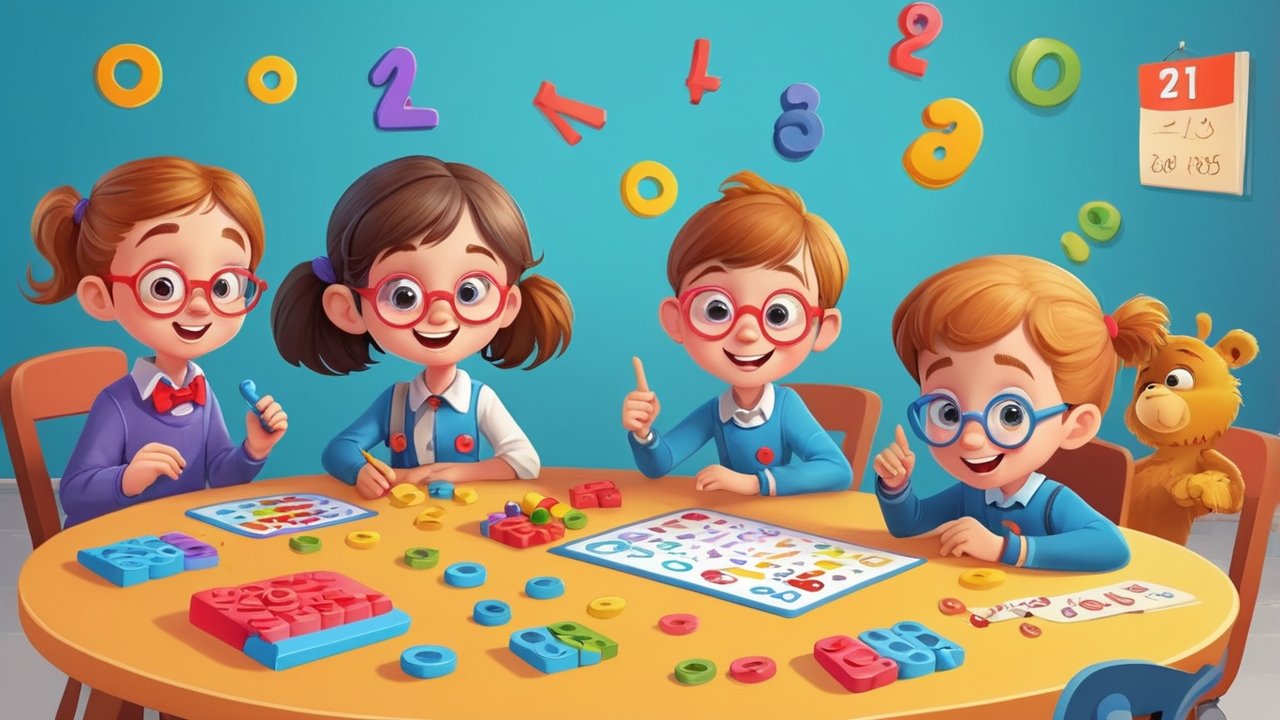
Have you ever watched a child stare at a math worksheet like it is a monster? I have seen that look many times while helping kids learn at home and in tutoring sessions. Numbers can feel scary when they sit on a blank page with no story or action. That is why math playzone is such a breath of fresh air for young learners. Instead of dull drills, math playzone brings bright challenges, quick puzzles, and playful goals into learning. Kids get to think fast, test ideas, and laugh a little along the way. When play leads the way, fear takes a back seat. Even shy learners start raising their hands and trying tough problems. Let us explore how this lively learning space works and how you can use it well.
What Makes Math Playzone Different From Boring Worksheets
Traditional worksheets often ask kids to repeat the same step twenty times in a row. That gets tiring fast, even for adults who love numbers. On a math playzone platform, every round feels like a mini quest with a clear goal. You might race a timer, unlock a new level, or solve a riddle to move ahead. In my own experience teaching young students, a ten-minute game often holds more focus than a forty-minute packet. Kids care about beating their last score or clearing the next stage. Along the way, they practice addition, subtraction, multiplication, and division without feeling trapped. It turns quiet study time into active problem solving that feels natural and exciting.
Core Arithmetic Skills You Can Practice Through Play
Strong number sense starts with basic arithmetic that feels quick and reliable. Inside math playzone, young learners can build speed and accuracy across core math topics. Counting games help younger kids spot patterns and group objects with ease. As skills grow, players tackle addition, subtraction, multiplication tables, and long division in bite-sized rounds. I once worked with a fourth grader who dreaded division until she played a fast tile-matching game. Seeing the numbers move on screen helped her connect groups and remainders much faster. When students repeat facts inside a fun game, memory builds without tears. Steady practice like that makes harder school topics much easier later on.
Brain Teasers, Logic Puzzles, and Number Challenges
Math is much more than fast facts and memorized tables. Real math thinking means spotting clues, testing guesses, and staying calm when a puzzle looks tricky. A good math playzone mix includes logic puzzles, number patterns, and quick math quizzes that stretch young minds. Kids learn how to slow down, read carefully, and try a new plan when their first guess misses. From my own coaching notes, puzzle games are great for kids who finish basic drills early and get bored. They also help kids who rush through work without checking their steps. Every solved riddle gives a small burst of pride that keeps curiosity alive.
Platform Overview and Quick Profile Table
Sometimes parents and teachers want a clear snapshot before trying a new learning tool. Because math playzone is often talked about as an online hub for browser math games and number challenges, here is a helpful overview. This table sums up what learners, parents, and educators typically look for when exploring this style of digital learning.
| Profile Detail | Key Information |
| Platform Name | Math Playzone (Online Learning & Game Hub) |
| Main Purpose | Make math practice fun, visual, and interactive |
| Target Learners | Elementary and middle school students, plus curious beginners |
| Core Math Topics | Counting, addition, subtraction, multiplication, division, logic puzzles |
| Game Formats | Browser games, quizzes, arcade challenges, and puzzle levels |
| Best Session Length | Short bursts of 10 to 20 minutes for steady focus |
| Adult Role | Guide, cheerleader, and co-player during tricky rounds |
How Elementary Students Build Confidence With Interactive Games
Confidence in math grows when kids see that mistakes are just clues, not failures. In math playzone style activities, players can try again right away if a round does not go their way. There is no red pen or public embarrassment when a puzzle takes two or three tries. I have seen quiet kids light up when they beat a level that stumped them the day before. That small win changes how they talk to themselves about schoolwork. Instead of saying I am bad at math, they start saying I just need another try. Over weeks and months, those small wins stack up into real classroom confidence.
Smart Ways Parents Can Guide Screen Time at Home
Games are awesome tools, yet balance still matters a lot at home. When using math playzone at home, set a friendly time limit before you even start. A timer helps kids stop smoothly without big arguments when dinner or bedtime arrives. Sit beside your child for the first few minutes so you can see how the game works. Ask open questions like how did you spot that pattern so fast? In my experience, showing genuine interest makes kids proud to explain their thinking. Pair screen play with real-life math too, like measuring cups in the kitchen or counting change at a shop.
Helpful Tips for Teachers Using Math Games in Class
Teachers juggle many skill levels in one room, and game stations can make that easier. A math playzone activity works well as a warm-up, early-finisher station, or small-group center. While some students practice multiplication facts, another group can work with you on word problems or fractions. One tip I always share with teachers is to give students a scrap notebook nearby. Writing down quick notes helps kids organize their steps instead of guessing wildly. When teachers connect game scores to real classroom goals, play becomes a strong teaching partner.
Avoiding Common Mistakes When Learning Through Math Games
Even great learning tools can lose their spark if used the wrong way. A common mistake with math playzone is letting a child only play easy levels over and over. Easy wins feel nice, yet growth happens when the challenge stretches skills just a little. Another trap is playing for an hour straight until eyes get tired and focus slips. From what I have seen, short daily sessions beat long weekend marathons every single time. Also watch out for random button tapping just to beat a clock. Remind kids that smart thinking beats lucky clicks in the long run.
Turning Everyday Moments Into Mini Number Games
You do not need a screen to keep the spirit of math playzone alive during the day. Car rides, grocery aisles, and waiting rooms are full of easy math chances. Ask your child to estimate the total cost of three snacks before you reach the register. On road trips, play number-spotting games with mile markers, house numbers, or license plates. I love using simple mental math riddles while walking because they keep kids active and sharp. When kids notice math in daily life, school lessons feel connected to the real world. That connection makes every new topic easier to understand.
Setting Realistic Goals That Keep Kids Motivated
Big goals like master all of math by Friday can overwhelm any learner. With math playzone, small and clear targets work much better for steady progress. Pick one skill for the week, such as mastering sevens multiplication facts or solving five logic puzzles. Celebrate effort and good strategies rather than perfection on every single round. In my work with students, tracking a simple sticker chart or small milestone keeps motivation high. Kids love seeing how far they have come from week one to week four. Steady steps build habits that last well beyond one school year.
Why Playful Practice Supports Long-Term School Success
Math topics build on one another like blocks in a tower. If early number facts feel shaky, later topics like fractions, ratios, and algebra feel much heavier. Regular play on math playzone helps keep core skills fresh and automatic in a child’s mind. When basic facts come quickly, brain power stays free for big ideas and word problems. Think of playful practice as oiling the gears so everything runs smoothly. Students who enjoy thinking through problems usually handle new school challenges with less stress. Fun today builds strong problem solvers for tomorrow.
Conclusion
Math does not have to feel cold, rigid, or stressful for kids or grown-ups. With math playzone, playful games and smart puzzles can turn tough numbers into friendly challenges. Start with a short ten-minute session today, stay curious together, and celebrate every clever idea. Whether you are a parent helping at home or a teacher planning a lively center, small steps make a big difference. Try one new game or number riddle this week and watch how your learner responds. Share your favorite math game idea or tell us what skill your child is working on right now!
Frequently Asked Questions (FAQs)
1. What age or grade level gets the most out of math playzone?
Most elementary and early middle school students enjoy math playzone style games the most. Younger kids can practice counting and simple addition, while older kids can tackle multiplication, division, and logic puzzles. Pick games that match your child’s current comfort level plus a small challenge.
2. How many minutes a day should a child spend on math games?
Ten to twenty minutes a day is a sweet spot for most kids. Short daily sessions keep minds fresh without causing screen fatigue or boredom. Consistency matters far more than spending a whole afternoon on a screen at once.
3. Can math playzone replace regular schoolwork or homework?
No, playful games work best alongside school lessons rather than replacing them completely. Games build speed, pattern spotting, and confidence with number skills. Classroom teaching, reading word problems, and writing out steps are still important for full understanding.
4. What should I do if my child gets frustrated during a game?
Pause the game, take a breath, and remind your child that tough puzzles take time. Offer a small hint or try an easier level for a few minutes to rebuild confidence. If frustration sticks around, stop for the day and try again tomorrow.
5. How can I tell if a math game is actually teaching and not just entertaining?
Watch how your child solves problems during the round. A good learning game requires real thinking about numbers, amounts, or rules rather than lucky guessing. Asking your child to explain one move out loud is a quick way to check understanding.
6. Are group or family math games helpful too?
Yes, playing together is one of the best ways to build excitement around numbers. Taking turns on puzzles or racing to solve a riddle makes math feel social and fun. Kids often open up more when a parent or friend joins the challenge with them.